
How Chronic Stress and Burnout Affected My Health
For years, I didn’t realize how deeply chronic stress and emotional exhaustion were affecting my body.
I thought I was simply tired.
Stretched too thin.
But little by little, my body began showing signs that something was wrong.
I struggled with:
- exhaustion
- insomnia
- brain fog
- anxiety
- inflammation
- hormone issues
- and an inability to handle stress well.
At the time, I was told these symptoms were connected to something called “adrenal fatigue,” a term often used to describe the physical effects of long-term stress and burnout.
Whether or not you use that specific term, one thing is certain:
Living under constant stress eventually affects both the body and the mind.
I remember the first time I heard the term “Adrenal Fatigue.”
I was on the phone with a doctor after completing hormone saliva testing following my first two miscarriages.
I wanted to understand whether my hormone levels could be affecting my ability to carry a pregnancy to full term.
The test results were back.
“Adrenal Fatigue.”
What in the world did that mean?
And how had I gotten there?
While the doctor carefully explained everything to me, I still didn’t fully understand what was happening in my body or how I could recover.
But I wanted to learn.
That phone call began a long journey of researching exhaustion, burnout, chronic stress, hormones, clean eating, sleep, and recovery.
The Stress I Didn’t Realize I Was Carrying
Looking back now, I can see that my body had been living under chronic stress for years.
During that season of life, I experienced:
- miscarriages
- emotional trauma
- overwork
- major life transitions
- chronic pressure
- and eventually a move across the world.
At the time, I kept pushing through because I thought that was what strong people did.
But eventually my body stopped cooperating.
I could push through mentally, but physically, I was falling apart.
One of the greatest sources of stress during that season was an emotionally abusive relationship I remained in far too long.
Even after leaving, my body continued carrying the weight of fear, anxiety, and emotional exhaustion.
Within weeks, strange symptoms began appearing:
- hives
- exhaustion
- inflammation
- and a slow decline in my overall health.
At the time, I didn’t understand how deeply chronic stress could affect the body.
But the problem wasn’t just that I had stress; it was that I didn’t know how to handle stress. I didn’t know how to say no.
I was my own worst enemy.
How Chronic Stress Affects the Body
Our bodies were never designed to live under constant pressure.
Stress hormones like adrenaline and cortisol serve an important purpose in short-term emergencies.
But when stress becomes constant, our bodies often struggle to recover properly.
Over time, chronic stress can affect:
- sleep
- energy
- hormones
- inflammation
- mood
- focus
- and overall well-being.
Signs You May Be Living Under Too Much Stress
- exhaustion
- irritability
- insomnia
- overwhelm
- brain fog
- anxiety
- emotional numbness
- poor stress tolerance
What Many People Mean When They Say “Adrenal Fatigue”
The term “adrenal fatigue” is often used to describe the exhaustion, burnout, and physical symptoms that can happen after long periods of chronic stress.
While the medical community does not officially recognize adrenal fatigue as a diagnosis, many people experiencing long-term stress still struggle with very real symptoms that affect daily life.
For me, the label mattered less than recognizing that my body was overwhelmed and needed rest, recovery, and healing.
Symptoms I Experienced During Burnout and Chronic Stress
Everyone experiences stress differently, but these were some of the symptoms I personally struggled with during that season.
- exhaustion
- insomnia
- brain fog
- overwhelm
- anxiety
- inflammation
- poor stress tolerance
- energy crashes
- trouble concentrating
What Helped Me Begin Recovering
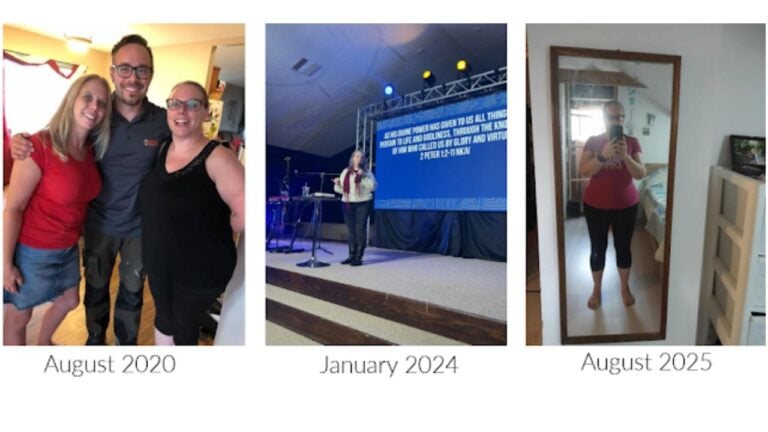
I originally wrote about this journey many years ago while I was still struggling deeply with exhaustion and burnout.
Today, I can honestly say I feel dramatically better than I did during that season of life.
Healing did not happen overnight.
It happened slowly through:
- better stress management
- more rest
- healthier rhythms
- nourishing food
- movement
- boundaries
- and learning to stop living under constant pressure.
If you feel exhausted right now, discouraged by your energy levels, or overwhelmed by stress, don’t lose hope.
Your body may be asking for rest, gentleness, and a slower way of living.